

It’s been a while since I got convinced about a long writing project. The other two such projects have been the book ‘Tech Simplified’ and the 40-post long product growth series when starting this newsletter.
With the pace AI is changing, and changing the tech ecosystem, I find it a right time to start a regular series aimed at simplifying AI knowledge, and helping people make sense of it. My personal motive is to learn better while I write. And in that sense, this newsletter isn’t focussed on surfacing relevant news. It’s more around analysis, and application for product builders.
This is the Edition #1. Let’s start!
In this post, we will cover Cowork that is seen as a direct trigger of SaaS industry losing hundreds of billions of dollars in market cap . To be honest, it’s a combination of multiple factors coming together.
AI agents are improving in functionality, and making the SaaS look dated
Enterprises are reallocating IT software budget to AI. AI budgets are up 100%+ YoY, but overall IT budgets are up ~8% only [source: SaaStr]
The stock market event seems to be a reaction to the overall pace of AI and ecosystem changes rather than any single launch. That said, Cowork launch seems to be triggering this anxiety given that some of the plugins they launched like the legal plugin led to companies in this domain to lose market cap. More on the plugins later. Let’s focus on what Cowork is, and how it’s different from everything that came before.
Cowork Launch
Cowork launched on January 16 this year. Cowork is a general use agentic tool for all sort of work. And the first question you might have asking yourself is - how is it different from using Claude Chatbot?
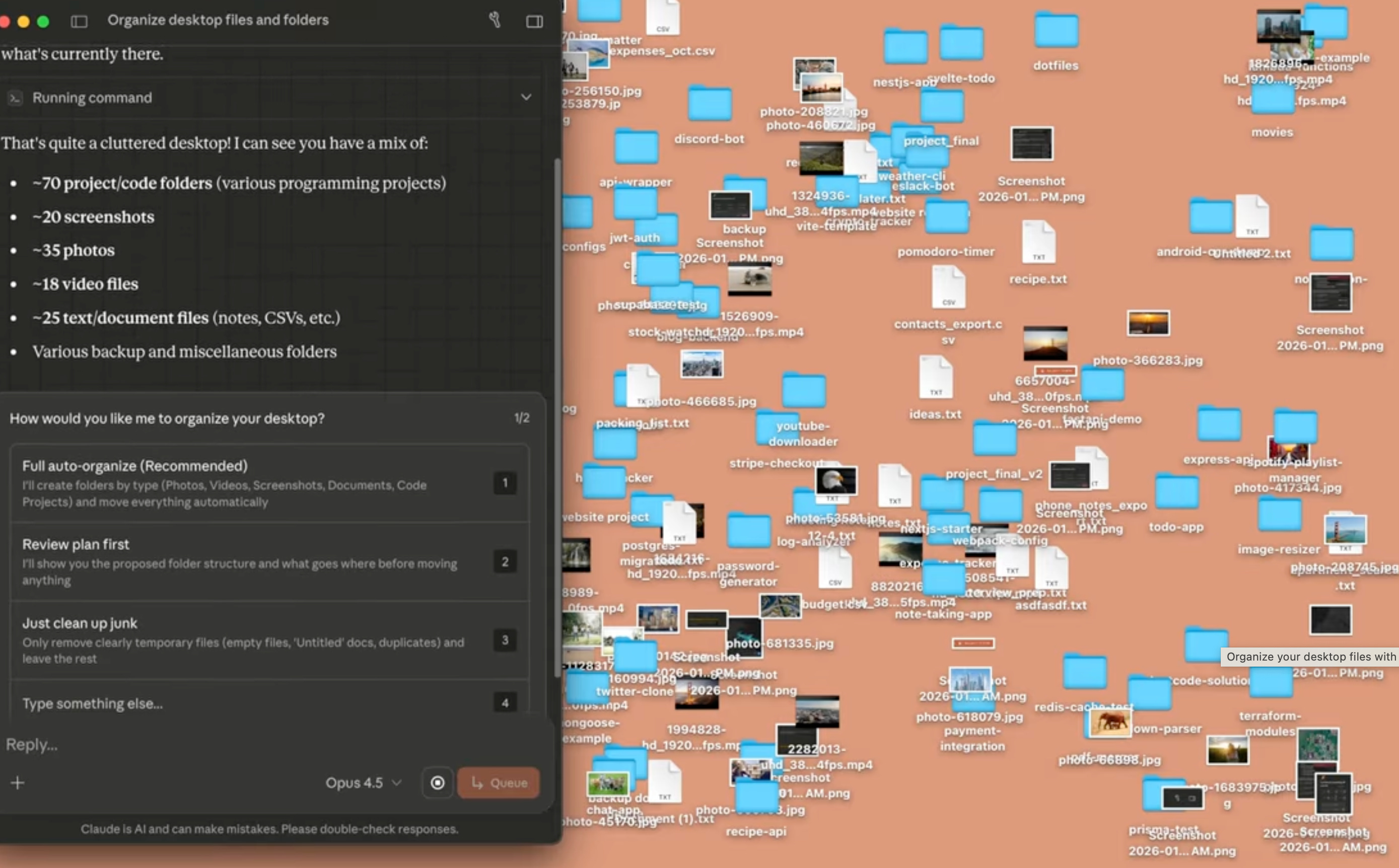
In simple terms, you can provide access to a folder on your computer. Claude can then read, edit, or create files in that folder. For example, it can re-organize your downloads by sorting and renaming each file.
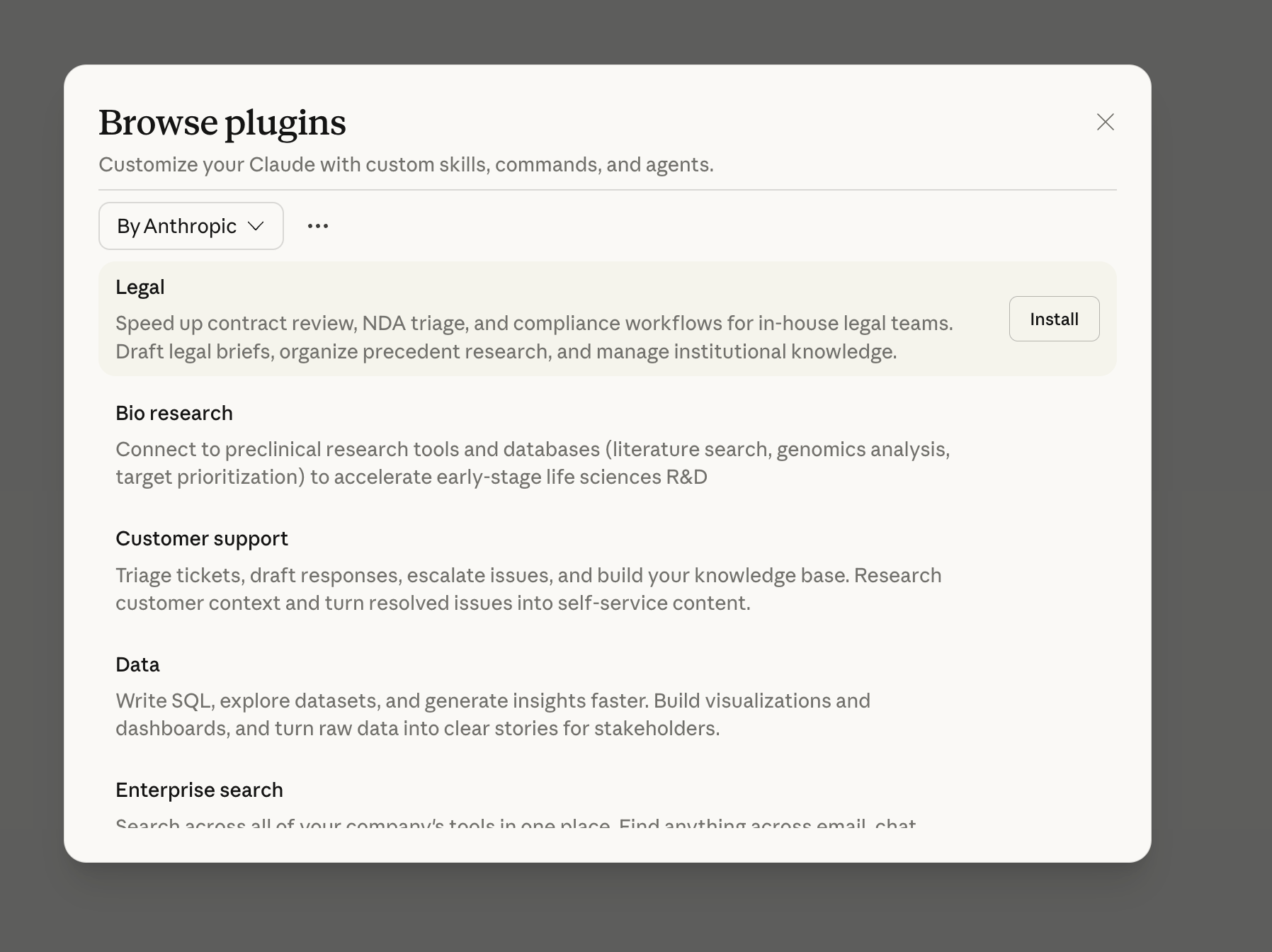
The core things that makes Cowork meaningfully different is that Anthropic released 11 open-source plugins for the tool two weeks later on Friday, January 30. From TechCrunch report,
The idea behind plug-ins is simple: They are designed to automate “specialized” tasks within a company’s various departments. Whether that function is drafting content for the marketing department, reviewing risks in documents for a firm’s legal team, or drafting responses for customer support, the plug-in is designed to use agentic automation to streamline work with a specialized focus.
The company says you can use plug-ins to “tell Claude how you like work done, which tools and data to pull from, how to handle critical workflows, and what slash commands to expose so your team gets more consistent outcomes.”
These plugins led to the anxiety in the market that we saw. For example, one of the plugins is around legal workflows. It can be used for contract review, NDA triage, etc.
We have seen this before in Claude Computer Use
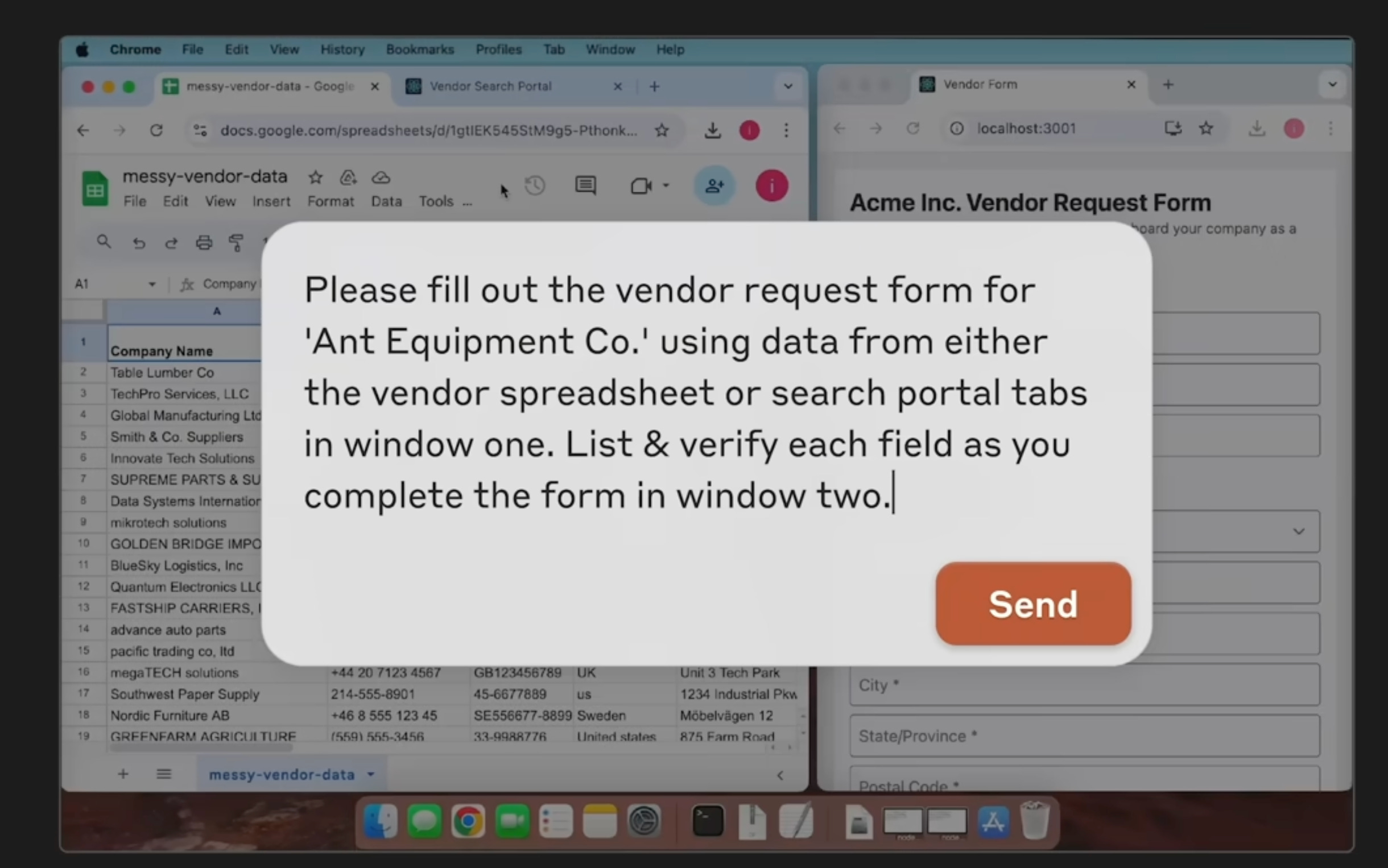
Anthopic itself had launched a tool called Computer Use in October 2024. Claude can interact with computer environments (like folders) through the Computer Use tool.
Below is an example of computer use tool for filling vendor request form. To most people including me, this looks similar to Cowork in terms of functionality.
So what’s different?
As product builders, we understand that there are three fundamental things that lead to a product adoption: capability, usability, and reliability. Let me talk about it in context of a legal work.
Capability: Does the fundamental capability exist? Can Claude really take all the files in the folder, and review the contracts? This has been possible since computer use days, though the fundamental capability of the models has been improving significantly.
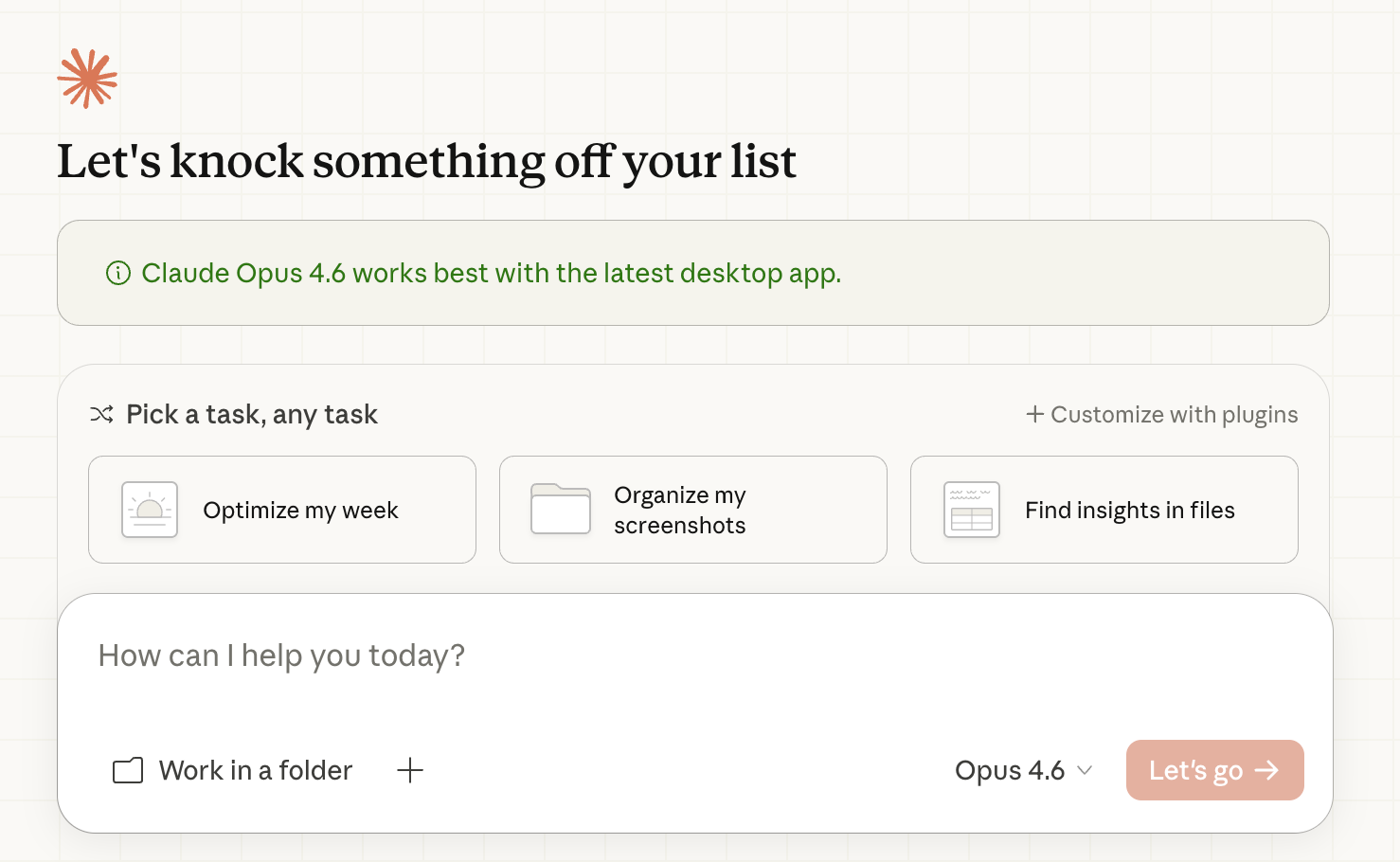
Usability: Is it easy to set up and use for a legal team? This is where Cowork shines. Computer use was built by developers, for developers. And it worked well with Claude Code. The interface below is way better to understand than a simple chat window.
Reliability: The most important out of the three for sensitive work like legal. Model reliability is dependent on multiple factors - model capabilities that come from pre-training and fine-tuning quality, and the user flow.
Over the last 12 months since Computer Use launched, the model capabilities have improved. We now have Opus 4.6, a much more capable model than Sonnet 3.5 that Computer Use launched with.
What about user flow? Plugins help with this immensely — they help user do the work with a consistent workflow. They help them use the right prompts, and also all of this reduces errors from user end, and hallucinations from model end.
Note that it doesn’t fundamentally makes the task hallucination-free, but for a non-technical user, this can make massive difference. Think of what happened when Apple introduced GUI and mouse, and computers moved beyond command lines.
The bet Anthropic is making is that the plugin layer, combined with a strong enough base model and simple interface, crosses the threshold of "good enough" for many routine legal tasks. Whether Cowork will get to product-market fit is something we have to see in coming months. But given that Harvey (another AI tool focussed on legal) has been able to find strong PMF, there is a good chance Anthropic will find it too.
Market investors can definitely see this creating problems for legal SaaS, and so that’s why legal-tech firms CS Disco and LegalZoom fell more than 12% and 20% respectively after Anthropic's announcement.
Implications for SaaS Product Builders
Stock of few companies falling just means that investors don’t have confidence in these companies to yield the same returns they expected in the light of new development. So it’s based on speculation, rather than a clear insight.
It’s important to note that Cowork is still AI software sold as service. It’s a different kind of SaaS. You could call it Agentic SaaS if you would like, but it’s not like it is going to be free of cost to these companies. The market share can redistribute between Anthropic, and other companies. We have seen this happening again and again in the past — every tech shift (mobile, cloud) creates value for certain companies and destroys value of others on the older model. So the stock market falling for these older companies could be due to threat of new entrants, more than anything.
Will the pricing model for SaaS change? Vey likely. AI/Agentic SaaS works differently than a traditional software in the sense that every token/usage costs the company money. So the pricing model is going to change. Clients are already requesting such changes as Thomson Reuters noted in their reports where they said that roughly 59% of firms report that clients are demanding more work for lower costs.
What you can do next if you are a product builder
If you are a product builder, the next step for you could be the following:
Install Claude Desktop, and learn about how Cowork and it’s plugins work. Use them to do some tasks and compare it to main Claude chat to see the differences.
Think about how you can change some of your existing workflows to become more efficient. For example, you can just add all of your PRDs into a folder, and search them anytime you want using Cowork. I am going to modify some of my workflows and show the results in the next post.
I would be sharing few examples from my own workflows in a future post.
This would be all for the post. Quick announcement before you leave: we launched two new programs at pmcurve. Do check them out if these interest you, or tell a friend.
Thanks,
Deepak
I have spent last few weeks playing with Cowork and oh man what an experience. If you plug-in your ‘tools’ and add the appropriate skills it can do all the repeatable tasks faster than anticipated.
Although it now has a very strong competitor with OpenAI Frontier. Excited to see who wins this race.